

Your Position: Home - Bearings - How often should hub bearings be replaced?
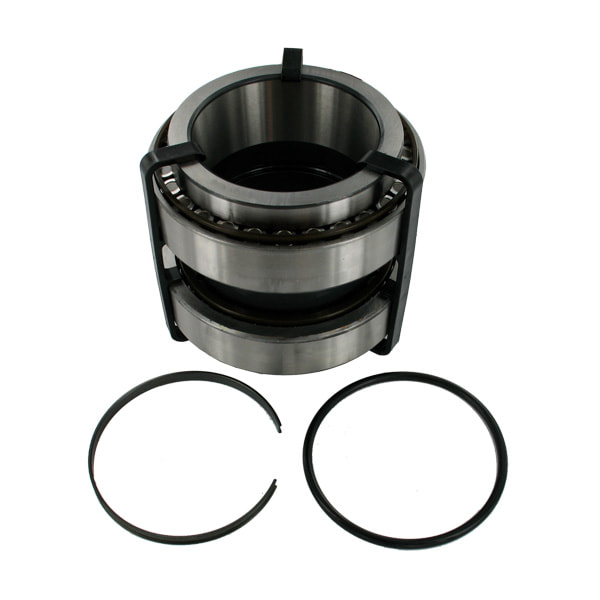
The replacement frequency for hub bearings depends on various factors, including the type of vehicle, driving conditions, and maintenance practices. Generally, hub bearings are designed to last anywhere from 85,000 to 100,000 miles (approximately 137,000 to 160,000 kilometers). However, there are some considerations to keep in mind:
Driving Conditions: Harsh driving conditions, such as rough roads, frequent off-road driving, and exposure to water and dirt, can shorten the lifespan of hub bearings.
Vehicle Type and Usage: Heavy-duty vehicles or those used for towing may experience more wear on their hub bearings compared to standard passenger cars.
Maintenance Practices: Regular inspection and maintenance can help identify potential issues early and extend the life of hub bearings. Proper lubrication and ensuring the bearings are not exposed to excessive moisture can also help.
Signs of Wear: Hub bearings should be replaced if you notice symptoms such as:
Grinding or humming noise coming from the wheel area.
Vibrations in the steering wheel.
Uneven tire wear.
Suggested reading:Increased play or looseness in the wheel.
If you encounter any of these symptoms, it's important to have your vehicle inspected by a professional mechanic to determine if the hub bearings need replacement. Regular maintenance and being attentive to any changes in your vehicle's performance can help ensure your hub bearings are replaced when necessary.
4o
697
0
0

Comments
All Comments (0)
Related Articles
Are EVI DC Inverter Heat Pumps Suitable for Cold Climates?
EVI heat pumps are known for their exceptional energy efficiency. They can operate at high levels of performance even when the outdoor temperatures drop well below freezing. This makes them an excellent choice for regions with cold winters.
By May
677
0
0
Maximize Efficiency with Thermal Insulation Gate Valves
Efficiency in industrial processes is vital for maximizing productivity and minimizing energy losses
By Ingrid
194
0
0
Are You Choosing the Right LT Hose Fitting for Safety?
When it comes to ensuring safety in various industries, choosing the right hose fitting can make all the difference
By Marina
196
0
0
How Does a Pulp Molding Anti-Mixing Machine Improve Efficiency?
In the rapidly evolving world of manufacturing, efficiency is the name of the game
By CC
162
0
0
How Can a Vertical Machining Center Enhance Your Manufacturing Efficiency?
In an increasingly competitive manufacturing landscape, the quest for enhanced operational efficiency is paramount
By Sam
131
0
0
What are the key benefits of Fine Small Electric Actuators?
In the rapidly evolving world of automation and robotics, Fine Small Electric Actuators have emerged as a crucial component for various applications
By knightzhao
140
0
0
Top 7 Essential Tips for Using a Lathe Machine
Using a lathe machine can transform raw materials into precision parts, but mastering this powerful tool requires knowledge and practice
By Doreen Gao
119
0
0
What Are Key Factors in Purchasing CNC Machine Tools?
When considering the purchase of CNC machine tools, several critical factors come into play that can significantly impact your investment and operational efficiency
By becky
106
0
0