

Your Position: Home - Hand Tools - How to Roll on a Painted Pattern
Rolling a painted pattern onto your walls is an easy and creative way to add texture and visual appeal—without the complications of traditional wallpaper. This customizable method allows you to refresh any space in your home, even high-moisture areas like bathrooms. With a patterned paint roller, you can create a professional, decorative finish quickly and efficiently. In this guide, we’ll take you step by step through the process, from choosing the right materials to mastering the rolling technique for flawless results.
Before you begin, gather all the necessary materials to ensure a smooth and efficient painting process. Here’s what you’ll need:
Base Coat Paint
Pattern Paint
Drop Cloths: To protect your floors and furniture from paint splatters
Painter’s Tape: For clean, crisp edges and to mask off trim or areas you don’t want painted
Pattern Applicator and Roller: The key tools for creating your decorative design
Roller Tray and Liners: For holding and easily changing paints
Sandpaper: To smooth the wall surface before painting
2½-inch Paintbrush: For “cutting in” around edges, corners, and trim
Ladder or Step Stool: To safely reach upper wall areas
Level: To help align your starting point and keep patterns straight
Marker: For marking the Pattern roller as part of your setup process (explained in Step 1)
Measuring Tape: To plan and space your pattern layout evenly
X-Acto Blade: For precise trimming or correcting small pattern imperfections
Having these tools ready before you start ensures your project goes smoothly and your finished design looks clean, balanced, and professional.
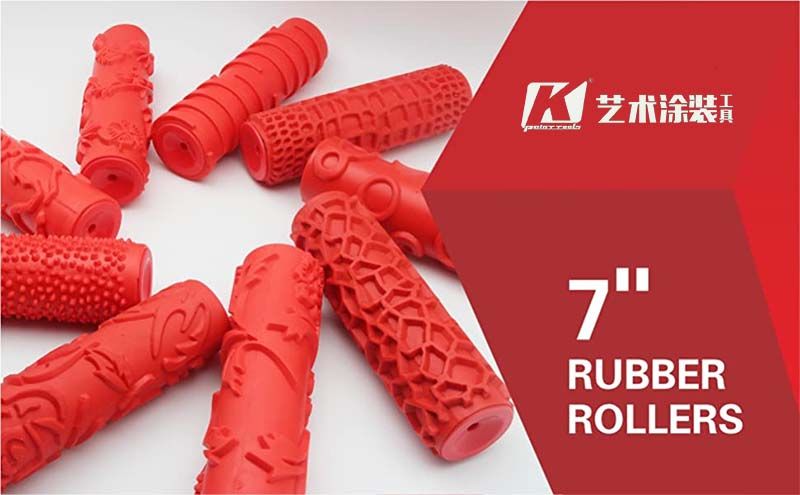
Before you begin, ensure your wall is clean, dry, and properly primed. Choose a pattern and color scheme that complements your space and test your colors on a small section first. Once everything is ready, follow these steps for best results:
To achieve seamless, wallpaper-like repeats, mark your roller to guide your pattern alignment:
Use a marker to draw a “+” on one point of the roller and a “–” directly opposite it.
Start the first row with the “+” facing up and the next row with the “–” facing up.
Insert both rollers (the foam roller and design roller) into the frame for a snug, frictionless fit.
This simple marking system ensures your pattern remains consistent and aligned across the wall.
Pour semi-gloss latex paint into your roller tray.
Remove the design roller and use the foam roller to pick up paint evenly.
Roll off the excess on a scrap piece of paper or cardboard.
Reattach the design roller and test-roll on paper to confirm the pattern is right-side up and evenly coated.
Proper loading helps ensure smooth paint distribution, prevents drips, and gives you a crisp, consistent design.
Start at the top left corner of your wall, aligning the “+” on the roller to the top.
Roll from top to bottom at a 45-degree angle, applying steady pressure to transfer the paint evenly.
Take your time—this first row sets the foundation for your entire pattern.
For the second row, align the “–” mark at the top.
Roll downward carefully, ensuring no gaps or overlaps between rows.
After about three rows, or once the paint begins to fade, reload your roller by repeating Step 2.
Pay close attention where rows meet—this ensures a seamless, professional-looking pattern across your wall.
By following these steps with care and patience, you’ll achieve a beautifully textured, wallpaper-like finish that transforms your room with minimal effort.
Achieving a polished, professional look with your painted pattern project comes down to preparation, consistency, and attention to detail. Follow these expert tips to elevate your results:
Before applying paint to your wall, practice on a large piece of cardboard or scrap drywall. This helps you get comfortable with the painting roller, paint load, and pressure needed for clean, consistent transfers.
Uneven pressure can lead to blotchy or incomplete patterns. Apply steady, even pressure throughout the rolling process to ensure each section of the design transfers evenly across the wall.
Divide your wall into manageable sections and work methodically. Rushing can cause pattern misalignment and smudging. Step back periodically to check your progress and make sure the pattern flows smoothly.
Use a level or laser guide to keep your rows straight and prevent the pattern from drifting. Regular alignment checks ensure the finished design looks seamless and professional, especially on large walls.
Keep a small brush and damp cloth nearby to touch up any smears, gaps, or uneven areas while the paint is still wet. Correcting minor issues immediately prevents them from standing out once the paint dries.
To preserve the beauty and longevity of your painted pattern, it’s important to give the surface proper care and maintenance.
Before cleaning, let the paint cure for 2–4 weeks. This ensures the finish hardens completely and becomes more resistant to moisture and wear.
For regular upkeep, use a soft, damp cloth to remove dust and light dirt. Avoid using harsh chemicals, abrasive sponges, or cleaners with ammonia, as these can dull or damage the paint’s surface.
Inspect your wall periodically for chips, scratches, or scuffs. Promptly touch up small imperfections with matching paint to prevent further damage and keep your pattern looking fresh.
356
0
0

Comments
All Comments (0)