

Your Position: Home - Other Rubber Recycling Machines - The Ultimate Buyer's Guide for Purchasing Tire TDF Plants
Introduction: Investing in a Tire Derived Fuel (TDF) plant is a significant decision that requires careful consideration of various factors to ensure optimal performance, efficiency, and compliance with environmental regulations. This comprehensive buyer's guide aims to provide prospective buyers with essential information and key considerations when purchasing TDF plants.
Understanding TDF Plants:
Overview of TDF plants: Provide an introduction to tire TDF plants, explaining their purpose, operation, and benefits in recycling and waste-to-energy initiatives.
Types of TDF plants: Discuss different types of TDF plants, including primary shredding, secondary shredding, and tire pyrolysis systems, highlighting their respective processes and outputs.
Key Considerations for Buyers:
Capacity and Throughput: Determine the required processing capacity and throughput of the TDF plant based on the volume of tires to be processed and the desired output.
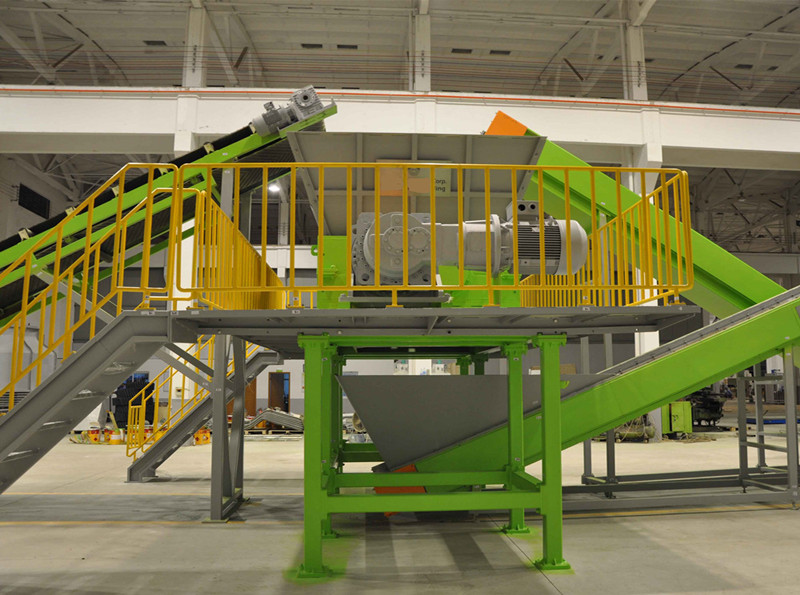
Technology and Equipment: Evaluate the technology and equipment used in the TDF plant, including shredders, classifiers, conveyors, and emission control systems, to ensure reliability, efficiency, and compliance with safety standards.
Environmental Compliance: Ensure that the TDF plant meets environmental regulations and emission standards for air quality, water discharge, and waste management. Consider investing in plants with advanced pollution control technologies to minimize environmental impact.
Operational Efficiency: Assess the overall efficiency and productivity of the TDF plant, considering factors such as energy consumption, labor requirements, maintenance needs, and uptime/downtime ratios.
Product Quality: Verify the quality and consistency of the TDF produced by the plant, including particle size distribution, calorific value, and contaminant levels, to meet the specifications of end-users and regulatory requirements.
Suggested reading:Integration and Compatibility: Determine the compatibility of the TDF plant with existing infrastructure, such as waste processing facilities, energy generation systems, and material handling equipment, to streamline operations and maximize resource utilization.
Cost Analysis: Conduct a comprehensive cost analysis, including capital investment, operating expenses, maintenance costs, and potential revenue from TDF sales or energy generation, to assess the financial feasibility and return on investment of the TDF plant.
Selecting a Reliable Supplier:
Reputation and Experience: Choose a reputable tire shredder supplier with extensive experience in designing, manufacturing, and installing TDF plants, backed by a proven track record of successful projects and satisfied customers.
Technical Support and Service: Ensure that the supplier offers comprehensive technical support, training programs, and after-sales service to assist with installation, commissioning, operation, and maintenance of the TDF plant.
Customization and Flexibility: Select a supplier that offers customizable solutions tailored to the specific requirements and preferences of the buyer, including modular design options, flexible configurations, and optional features.
References and Testimonials: Request references and testimonials from previous clients who have purchased and operated TDF plants from the supplier, allowing for firsthand insights into the performance and reliability of the equipment.
Certifications and Compliance: Verify that the supplier adheres to industry standards, certifications, and quality management systems, such as ISO 9001, ISO 14001, and CE marking, to ensure product quality and regulatory compliance.
Conclusion: Investing in a waste Tire Derived Fuel (TDF) plant requires thorough research, planning, and evaluation of various factors to make an informed decision. By following this ultimate buyer's guide and considering key factors such as capacity, technology, environmental compliance, operational efficiency, and supplier reliability, buyers can select the right TDF plant that meets their needs and objectives while contributing to sustainable waste management and resource recovery efforts.
424
0
0

Comments
All Comments (0)
Related Articles
The History and Power of the Trusted Bulldozer
By Ingrid
803
0
0
How an electrical cable is made
By Ruby
807
0
0
What hair straightener do hairdressers use?
By Hou
482
0
0
Significance of Screw Air Compressor Oil in Automotive Brake Systems
Screw air compressor oil plays a crucial role in the operation of automotive brake systems. It serves several important functions that contribute to the overall performance and longevity of the system.
By May
538
0
0
What Is a Water Meter Test Bench?
A water meter test bench is a sophisticated apparatus designed to evaluate the performance and calibration of water meters. It serves as a standard reference for assessing the accuracy of various types of water meters, including residential, commercial, and industrial models. The test bench simulates real-world conditions to gauge the precision of water flow measurement, ensuring compliance with regulatory standards and specifications.
By May
571
0
0
What type of mining is gravel pump mining?
Gravel pump mining, also known as hydraulic mining, is a method of mining that involves using a pump to suction gravel and sediment from the bottom of a water body. This technique is commonly used in alluvial mining, where mineral deposits are found in rivers, streams, and other water bodies.
By May
605
0
0
How Can Large Diameter Tube Mills Overcome Production Challenges Effectively?
The manufacturing landscape has evolved significantly with advancements in technology, particularly in the production of large diameter tube mills
By Janey
240
0
0