

Your Position: Home - Other Metal & Metallurgy Machinery - Understand pyrolysis furnace technology
With the rapid development of urban construction and new rural construction in my country, the output of domestic waste is increasing day by day, especially the centralized treatment of rural and township garbage in the urban solid waste treatment system, which consumes a lot of transfer equipment and transportation costs, and also brings secondary pollution during operation. Therefore, decentralized on-site treatment of township and rural garbage is the way out.
At present, some township garbage adopts simple on-site landfill and incineration treatment, which is not environmentally friendly and wastes a lot of land resources. The use of garbage pyrolysis furnace to treat garbage is more in line with the principles of energy recycling economy of reduction, harmlessness and resource utilization. It adopts high-temperature pyrolysis gasification furnace + secondary combustion chamber + energy utilization system, which has been well received in landing projects across the country. The benefits of using pyrolysis furnace for garbage treatment are as follows:
Localized garbage treatment
Reduce the need for expensive transportation and transfer equipment.
Minimize secondary pollution during transportation.
Economic and environmental benefits
Compared with traditional landfill and incineration methods, pyrolysis furnaces are more environmentally friendly and efficient.
They conform to the principles of garbage reduction, harmlessness and resource utilization.
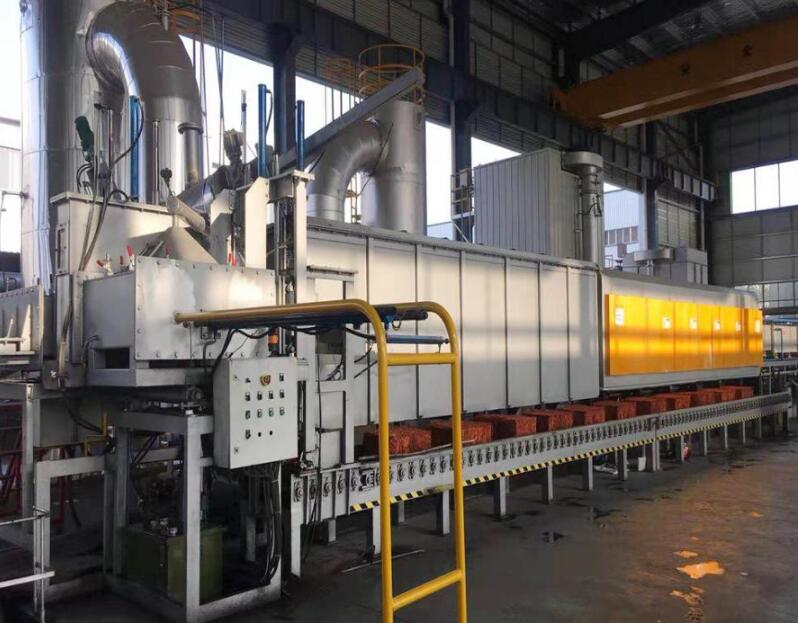
Advanced Technology
Adopts patented high-efficiency furnace structure and secondary combustion chamber technology.
Ensures that pyrolysis gas is fully burned at temperatures up to 1300°C and effectively decomposes pollutants.
Energy Efficiency
The process does not require any additional fuel or energy.
Provides environmentally friendly, efficient, safe and stable energy solutions.
Principle of Pyrolysis Gasification
Suggested reading:Under oxygen-free or low-oxygen conditions, organic waste components are decomposed into small molecular gases, tars and residues.
Helps eliminate harmful dioxin emissions associated with waste incineration.
Two-stage pyrolysis process
Initial reaction stage: waste undergoes primary decomposition, releasing volatile substances, tars and methane.
Secondary reaction stage: at higher temperatures, large molecules are further decomposed into complex gases, methane and oxygen.
By-products and their uses
The process produces small molecular substances such as methane, hydrogen, benzene and water.
The residual ash can be directly landfilled with extremely low energy consumption and no additional fuel required.
Compliance and Safety
Emissions and wastewater meet national standards to ensure minimal impact on the environment.
Pyrolysis furnaces are practical and innovative solutions for the effective management of rural and urban waste. This technology not only helps reduce the amount of waste, but also transforms waste into valuable resources, promoting sustainable development and environmental protection.
Garbage pyrolysis gasification can be divided into two stages:
Primary reaction stage: Under heating conditions, combustible solid waste first undergoes a cracking process to precipitate volatile matter, tar, methane and other gas products. The primary reaction stage is the main cause of weight loss in the initial reaction.
Secondary reaction stage: As the temperature rises, macromolecules are cracked again to generate complex gases and methane and oxygen. The secondary reaction stage can be divided into small molecules, secondary reactions and macromolecule secondary reactions. Small molecule secondary reactions refer to the decomposition of ethylene, ethane, etc. into methane, hydrogen, etc. The macromolecule secondary pyrolysis reaction refers to the process in which compounds containing polyethylene rings, organic compounds, amino compounds, etc. are cracked again and decomposed into small molecules such as methane, benzene, water, and carbon. As the temperature rises, the secondary cracking intensifies, causing the gas output to increase rapidly.
329
0
0
Previous: None
Next: none

Comments
All Comments (0)
Related Articles
Affordable Shea Butter & Tea Seed Oil Extractors
When it comes to natural beauty products, shea butter and tea seed oil stand out for their remarkable benefits.
By Harry
374
0
0
Unlocking Efficiency: Two-Shaft Shredder Production Secrets
Understanding the Two-Shaft ShredderThe two-shaft shredder is a vital piece of equipment in various industrial applications.
By Geym
435
0
0
4 Tips to Select the Right Two-Shaft Shredder for Your Needs
Choosing the right two-shaft shredder for your business can significantly impact efficiency and productivity.
By Molly
457
0
0
Top Trends for Industrial Electric Steam Generators 2024
### Article: .
By CC
459
0
0
How Do Industrial Electric Steam Generators Work?
Industrial electric steam generators are essential tools in various industries, providing efficient and reliable steam for numerous applications.
By wenzhang1
405
0
0
Key Questions to Ask When Choosing the Best Stainless Steel Screw Press
When it comes to selecting the best stainless steel screw press, the choices can be overwhelming.
By Ingrid
395
0
0
Top 5 Stainless Steel Screw Presses: Ultimate Buying Guide
Top 5 Stainless Steel Screw Presses: Ultimate Buying Guide When it comes to industrial processing and manufacturing, stainless steel screw presses are an indispensable tool.
By Minnie
356
0
0
Exporting Family Workshop Wheat Flour Milling Plants
Understanding Wheat Flour Milling PlantsWheat flour milling plants are essential in the production of flour, a vital ingredient in various food products.
By Daisy
449
0
0